Tuesday, October 13, 2009 @ 6:15 AM
Geography - Coastal Protection LORMS
Coastal Protection MethodsHard EngineeringRe-Curved Sea Wall are appropriate/mandatory in promenades and harbour situations as these bulkheads separate land from sea, protecting land and holding back sea, protecting low lying areas behind from flooding. Modern designs of concrete seawall absorb as well as resist wave attack, the wall, which is curved on the underside, deflect rather than reflect power of waves.
Very expensive to build (up to 1-2mil pounds/km) and maintain. May accelerate wave erosion due to downward movement of water and reflected waves can scour material at base and undermine the wall.
Gabions are metal cages of boulders which can be stacked to build walls, built into the cliff faces to protect cliff from the force of the waves; may be arranged as a mattress so that waves can percolate. They absorb wave energy, reduce erosion and are cheaper than sea walls and can be very effective were severe erosions is a problem.
Visually intrusive, metal cage may fail quickly & spill contents. If stacked, may move in strong waves.
Breakwaters are offshore structures of concrete or rocs that are built parallel to the coast, break the force of incoming waves, and deflect waves before they reach the shore. Slows longshore current flow, leading to deposition of sediment behind the breakwater.
Very expensive to construct (one million dollars/linear foot) and tend to deflect waves along new paths, which may cause scouring of foundations or erosion elsewhere.
Groynes are wooden, rock, steel barriers sited perpendicular to shore, designed to stop longshore drift and hence, act to build up and anchor beach material, protecting the base of cliffs/coast. They are effective at reducing erosion in the area they are constructed in by causing significant build up of beach material and slowing the speed of the waves as they break along the coast. Relatively low cost.
May starve areas further down the coast of material by stopping longshore drift, resulting in an increase in erosion in these areas.
Rip Rap/Rock Revetment are large boulders placed together on a beach. They are permeable and able to adapt to change, absorb wave energy and break the power of the waves. Look more natural.
Conclusion: Some hard coastal defence structures if proactively designed and built, such as offshore islands, can reduce erosion and increase habitat for fish/coastal birds, but may also modify sediment transport and damage beaches. The decision should result from a
cost-benefit analysis and should be a concerted decision among the
stakeholders. (Consider needs of stretch of coast)
Soft EngineeringAlso consider Soft Engineering that address erosion problems while
preserving the natural habitat for shoreline ecosystems, working with natural processes to enhance coastal resilience and are effective in the long run. It slows down coastal retreat but does not stop it. Require continual efforts and maintenance, can be expensive and resource intensive. Less expensive to implement, can involve loss of property or land.
Beach Nourishment is where beach material (sand) is added to coast, maintaining the beauty of the landscape, avoiding visual intrusion, but very expensive to maintain as longshore drift continues to move beach material down coast and hence regular replenishment is required. Miami Beach, USA.
Dune Regeneration is where a fragile environment needs careful management where sand dunes can be stabilised by planting marram grass, building walkways or duckboards to reduce trampling, and planting fences and brushwoods to reduce wind velocity and trap sand. Land use zoning also to keep areas from pressure and is only effective in Aeolian environments and where public access can be controlled. At Omaha Beach in New Zealand.
Mangroves grow in the intertidal zone and are salt tolerant, with a horizontal layering with the species that have adapted to being flooded with seawater growing near the water. Protect coast from erosion as prop roots, aerial roots and knee-like roots slow down incoming waves, reducing energy and encouraging deposition, these roots bind the soil and stabilise the coast. Fruits float also such that they are transported to newly deposited delta fronts where they colonise and protect newly developed coastal areas. Good for coastal ecosystem, fishery industry.
Only grows in sheltered tropical waters, mangroves take time/years to grow before they can be effective means for coastal protection. Planting exercises require cooperation of local people.
Along Malaysian coastline and Sulawesi, Indonesia.
Encouraging Growth of Coral Reefs whereby coral reefs protect beaches against coastal erosion reducing the speed of waves approaching the coast hence less erosion. Governments may ban fishing within certain protected areas, build wastewater treatment facilities in coastal settlements and plant artificial reefs for corals to grow. In Malaysia.
Success in the long run depends on cooperation of various groups of people and constant effort to reduce water pollution. Corals can only grow in clear water.
Hope this helps! (: If any problems or queries, please feel free to ask!
- debb
Labels: Geography
inspires
6:09 AM
Geography - River Management LORMS
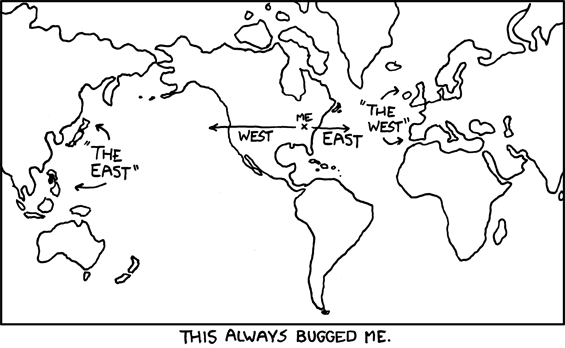
Hee! A little bit of xkcd geog before the actual LORMS(:
RIVER MANAGEMENTRiverine Floods – overflowing of water from the banks of the river onto the floodplain when carrying capacity of river has exceeded
River Management – control of flow in river; reduces floods
Re-alignment/Channel Straightening removes meanders, reduces length of river to increase speed of river and wash away sediments that have accumulated on riverbed, minimizing localised flooding. High river discharge channelled away from flood-prone area but delivered faster downstream where floods may occur. Greater river energy, more erosion, river channel deepened, greater capacity, keeps floodwaters in, reducing flood occurrence. Wetlands may dry up & shrink; river no longer flows there.
Waikanae River, New Zealand. Effective in reducing occurrence of floods, reduce loss of property such as farmland and residential land, financial losses, loss of lives.
Very costly, 1.1million New Zealand Dollars spent. Hence it may not be practical for large rivers, LDCs.
Re-sectioning/Channel Widening as rivers are widened, deepened (dredging) to contain excess water, preventing floods. River bed and banks smoothened with cement, granite; reducing friction with wetted perimeter and increasing river speed so floodwaters flow away more quickly.
Singapore River along Boat Quay to prevent flooding in CBD as this may disrupt transport, businesses; strengthening of bank will also allow usage of area next to the river for F&B outlets for tourists.
Effective in short term, but new sediments deposited requires regular removal – costly maintenance.
Raising and Strengthening of River Banks by walls of earth, rock or concrete (called dykes or embankments) being built, confining water to channels, increasing river capacity – able to hold extra water during times of high discharge – can be very effective for preventing floods.
May make floods worse if river overflows artificial higher banks with constant deposition on riverbed, making it more shallow and raising riverbed above floodplain. Floods are also sudden; harder to flee surging floodwaters. Possibility of dyke collapse if materials used are not concrete/hardy. High cost of building dykes. Built on upper stretches of rivers in Bangladesh, floods still occur at delta.
Increased time of flooding as embankments prevents backflow into river; thus areas of stagnant water are created, increasing the likelihood of diseases (cholera and malaria). Embankments may cause some wetlands to dry out leading to a loss of biodiversity.
Mississippi River, USA – reduced frequency of floods, not completely effective. 1993 major floods, by record spring rains, flooding about 8 mil acres by early August. Raging floodwaters inflicted major damage on levees, dams & floodways, ruining 12mil acres of cropland, causing over $10 billion in damage.
Huang He, China – higher dykes constantly built and supplemented in modern times by reforestation and storage reservoirs. In 1887, Huang He broke through levees killing over 1 million people.
Planting of Vegetation along the river to protect the riverbanks from erosion as roots hold onto the soil so that less sediment is transported, deposited in the riverbed reducing silting of channel. Presence of vegetation intercepts precipitation, slows down runoff, volume in river does not rise quickly to avoid floods. Increased shade from trees on riverbank may affect aquatic plants, food chains. In Ohio, US.
Salmon River, Langley, British Columbia, Canada has planting of vegetation by Trinity Western University staff and students, members of Langley Environmental Partners Society & Volunteers.
Construction of overflow/ diversion channel has the channel split into 2, allowing some water to take a quick route across the meander/former channel, at no cost – doubles water capacity but delivers water faster downstream causing problems there.
Sluice gate – controls flow of water, only measure which is adjustable and can be useful to respond to flow conditions, used in conjunction with overflow channel.
Creating floodways by designating an area along the river where no construction is allowed, a nature park where river can flood naturally. Some cities cannot afford to leave any land unused.
Constructing dams as excess water brought by heavy rain is stored in reservoirs behind dams, reducing occurrence of floods downstream. Allows flow of water to be controlled, generates HEP, but expensive, limited lifespan as accumulation of sediments behind dam raise reservoir bed. Large-scale and causes land upstream to be permanently lost. Three Gorges Dam, China; Tucurui Dam.
Tackling the causes of floods; Controlling Land Use by using land in drainage basin properly –
MOST EFFECTIVE METHOD. Proper control of lumbering, agriculture and development in a drainage basin helps to minimize rapid surface runoff into rivers,
Reduce deforestation and have afforestation RFD (replant trees on bare slopes), reducing flow into river, lengthening lag-time but other land use could be more profitable.
Educate farmers on good farming techniques; contour ploughing, cutting terrace in slopes – reduce soil erosion.
Ensure construction associated with development will not silt up rivers
Reducing consequence of floods by flood proofing properties, flood resistant structures to reduce damage, flood-warning scheme (monitoring weather patterns, issue warnings using mass media), evacuation procedures, flood insurance to recoup losses suffered, post flood management measures – shelter, food, water.
Labels: Geography
inspires
1:37 AM
Geography - Conservation of Forests LORMS
More Geography notes for LORMs!(:
- debb
CONSERVATION EFFORTSGuiding principle: Sustainable development – development that meets the needs of the present without compromising the ability of future generations to meet their own needs.
On an International Level: working with NGOs to save forest and stop illegal logging. Discussions and agreements between countries on how to save the environment including the rainforest (Kyoto Protocol & Earth Summits), World Wildlife Fund proposed scheme to make it compulsory for at least 50% of the original rainforest to be preserved in any new areas of development. Efforts from NGOs like Friends of the Earth to highlight threat to forests and the need for conservation. Forest Stewardship Council: a group of timber users, traders and representative of environmental and human-rights organizations identified the need for honest and credible system of identifying well-managed forests as acceptable sources of forest products, which includes a global consensus on what is meant by good forest management, independent audits of management and forest produce that meet these criteria will carry FSC label so that potential green consumers can identify and support efforts of these companies. Oaxaco Forest Stewardship in Mexico.
Difficult to get countries to organise, different aims, difficult with Congo area (lack of manpower, funds)
On a National Level: Responsible stewardship through policies and strict enforcement of laws that forbid indiscriminate cutting, strict issue of logging licenses. Setting aside conservation areas such as Taman Negara National Park in Peninsular Malaysia. Governments can introduce rules to achieve sustainable yields and enforce them. Malaysian Government: loggers to extract no more than 10-20% of timber from any timber concession area. When operations have finished, the logged area must be left to recover for 20-40 years. However, rules not enforced. In developed countries, rules on reforestation enforced effectively.
Conservation through specific management strategies such as setting aside nature reserves, reforestation (replanting a tree for every one cut down, fertilize soil or burn ethane to stimulate growth, research on faster rate of growth of trees. Successfully carried out in developed countries, in Malaysia where teak trees & softwood trees have been planted. Staedler’s forest conservation project in P. Malaysia), selective logging (instead of cutting down all the trees in one area, only logging of selected trees in terms of area, age of trees, economic value of trees to be carried out – limit to logging of each species. Time consuming and costly, difficult to enforce in remote forested regions)
Encouraging alternative ways to generate income such as harvest & sale of forest products (rubber tapping), ecotourism – limited number of people allowed in & frequency, good guides) to provide income for people and promote conservation. Rather than clearing large areas of forested land for cattle ranching, farmers can farm smaller areas of crops producing perfume oils or harvest natural products from the forests as it exists (e.g. Brazil nuts, wild fruits – may be feasible in the future)
On an Individual Level demand reduction through public education so that people will not cut down trees for fuel, make better use of trees that have fallen, finding substitutes for forest-derived materials, reduce level of pollution and acid rain.
Requires effort on every level for successful conservation.
Labels: Geography
inspires
1:32 AM
Geography - Deforestation LORMS
Hello!(: I haven't posted any Geog notes, so here's a couple of LORMS notes! I usually just study the LORMS questions for my geog elective exams and still manage to get an A1, so :D Hope this helps!
- debb
---------------------
Deforestation – Massive, permanent clearing and destruction of Tropical rainforest
Problems1. Loss of biomass – disrupt nutrient cycle, infertile soil, loss of agricultural land
2. Loss of biodiversity – extinction of valuable plant, animal species; may be future medical cures
3. Soil erosion – destructive landslides and flooding
4. Climate Changes – global warming and changes in precipitation
Hence the need to manage tropical rainforest to reduce, eradicate problems.
Efforts To Reduce Deforestation;Reforestation and Afforestation in Kalimantan under Forests and Land Restoration Initiative which seeks to restore 900 000Ha of land annually and put an end to soil erosion & depletion of soil fertility due to fertile top soil being washed away.
Successful especially in East Kalimantan – locals actively replanted teak trees in areas affected by forest fires, timbre companies replant and retain at least 25 commercially valuable trees/Ha in previously logged areas, pay reforestation fees to fund cost of replanting trees in logged areas.
However, rate of trees being cut down faster than replanted. Teak trees planted to restore entire forest (commercially valuable and grow fast) resulting in loss of biodiversity, as replanted forests are no more than plantations.
Controlled Logging practiced by Ministry of Forestry in Indonesia – careful management of rate of logging through law enforcement & strict control of logging licenses to minimize damage done in rainforest, education of locals to increase awareness of damage caused by extensive deforestation and research carried out to reduce extent of damage.
For instance, selective logging encouraged as sustainable method, leaving much of forest untouched and able to regenerate itself, removing economically valuable trees that have reached minimum girth – minimizes soil erosion and carried out in Danum Valley.
However, economically valuable trees removed, neighbouring trees damaged – loss of biodiversity.
Conservation where areas of forests set aside as protected nature reserves – only activities that do not damage forest allowed such as ecotourism. In 1992, Betung Kerihun Nature Reserve set up in West Kalimantan, Indonesia, extending to Brunei and Malaysia due to cooperation between governments and international NGO efforts – World Wildlife Fund. Illustrates how saving the rainforest and preventing problems of deforestation (changes in precipitation and atmospheric levels of CO2, loss of biomass) requires effort at various levels.
However, illegal logging still carried out in nature serves – lack of manpower; difficult to monitor and prevent in remote and vast rainforest. Impossible to completely eradicate problems of deforestation
Controlling Forest Fires by Indonesian government policy – illegal to clear forest by burning, measure to monitor forest fires (Integrated Forest Fires Protection System, National Fire Management Plan), seeks to educate Indonesians on damage/effects of forest fires. Hopes for reduced air pollution.
However, an ineffective measure as haze continues as annual problem; clearing forest by fire is cheapest and preferred way by plantations and traditional farmer.
Conclusion; problem of deforestation not easily resolved, especially in LDCs (lacks funds, technology), and requires cooperation on various levels.
International level: ASEAN and NGOs to highlight need for urgent efforts and pressurise governments to reduce demand for timber, ensure deforestation rates reduced.
National level: resolve of governments in implementation of policies and laws are favourable and necessary to ensure conservation and controlled logging is properly implemented.
Individual level: citizens to be educated on need to reduce deforestation. Only with concerted efforts will extensive deforestation and its destructive effects be controlled & we will see sustainable tracts of rainforest in the long run.
[Long-term vs. short-term effect, developed vs. developing countries, and ease of implementation to consider]
---------------------
Remember to twist your LORMs stuff to answer the question whatever it may be!(:
Labels: Geography
inspires